
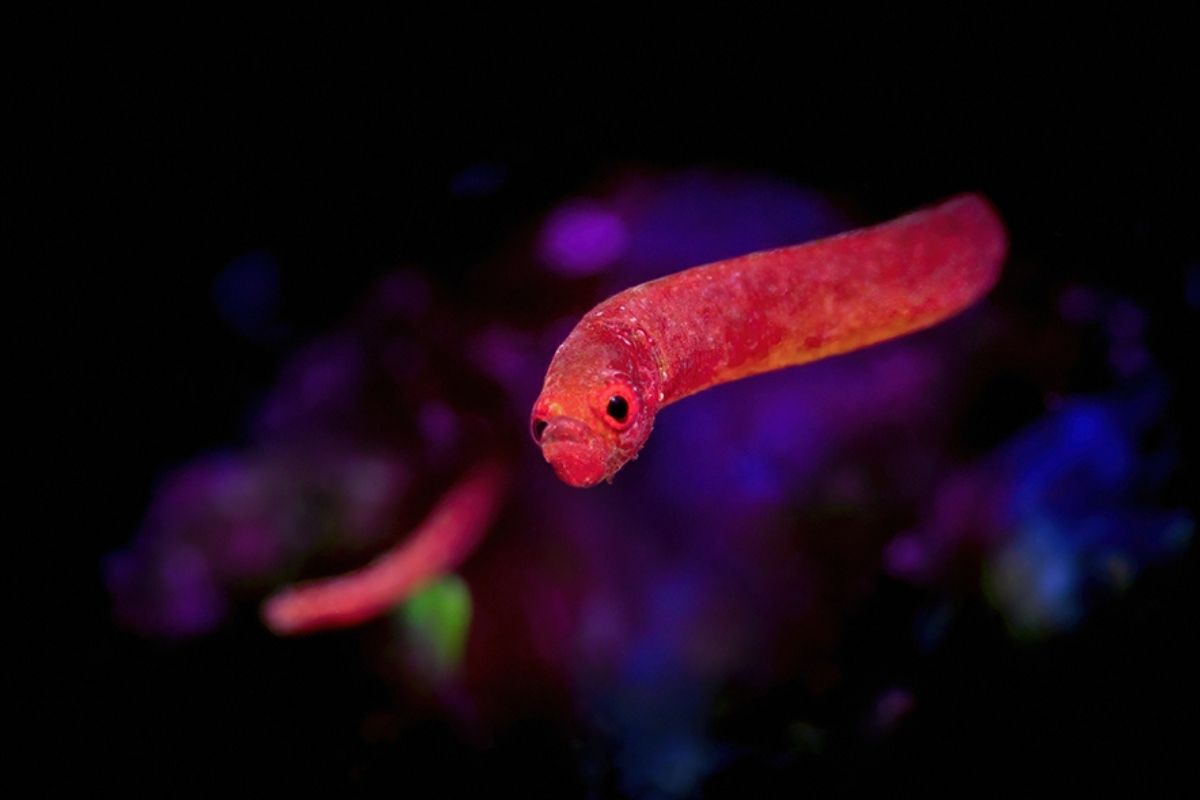
Location: Romblon Island
Depth: shallow / medium depth
Cover Photo: Weiwei Zeng
Scientific Name: Festucalex rufus, Allen & Erdmann, 2015
Type: Romblon Fish
Group: Rare Pipefish | Pipehorse
Family: Syngnathidae
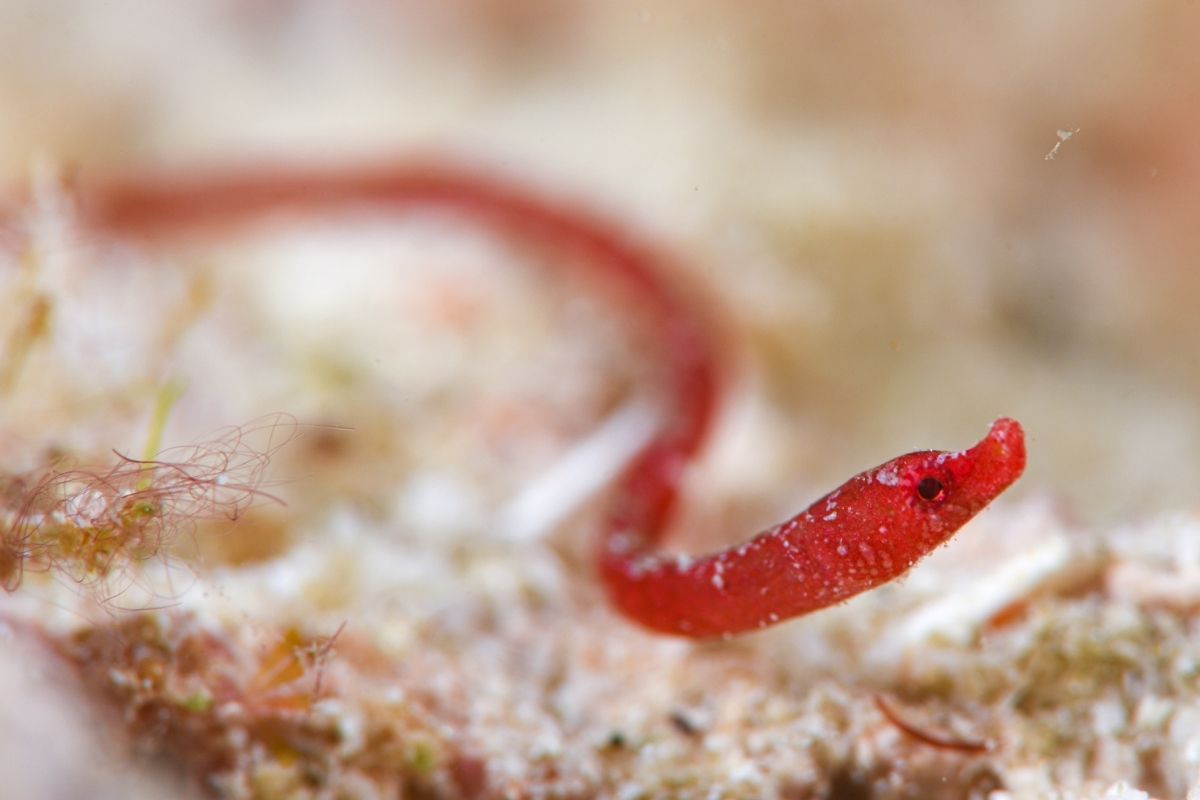
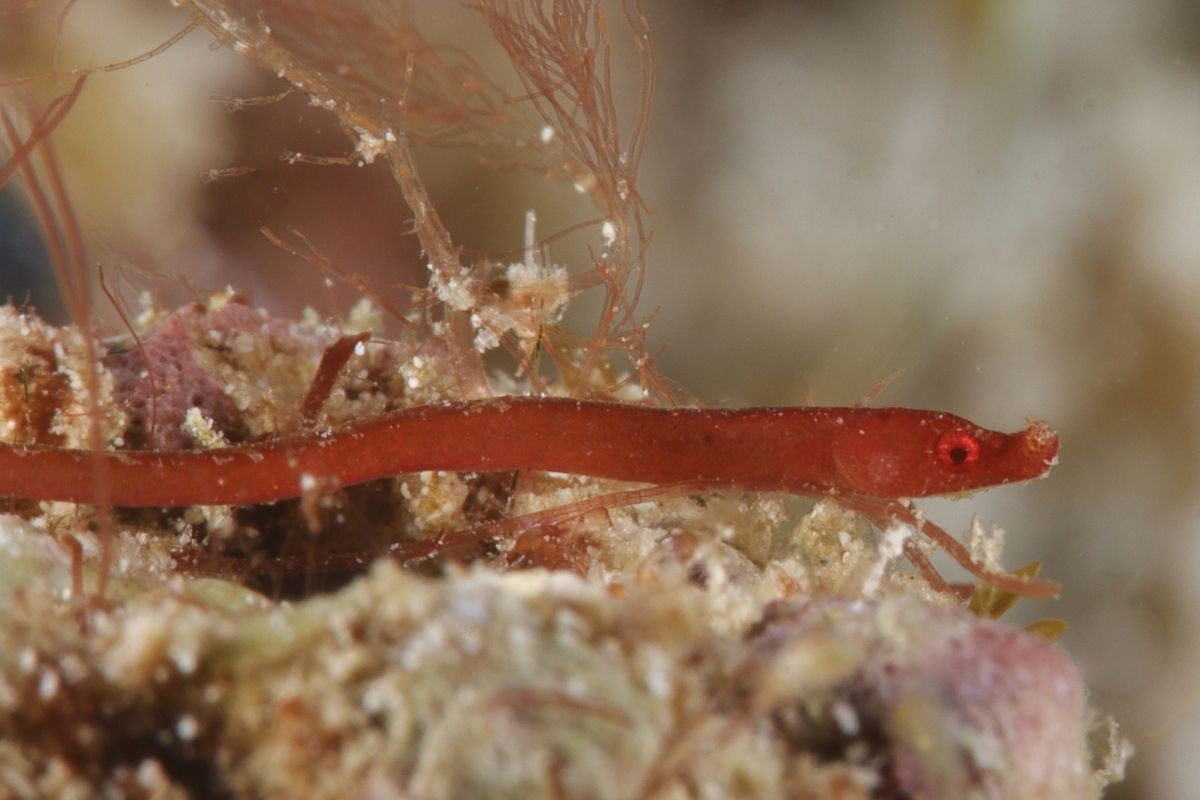
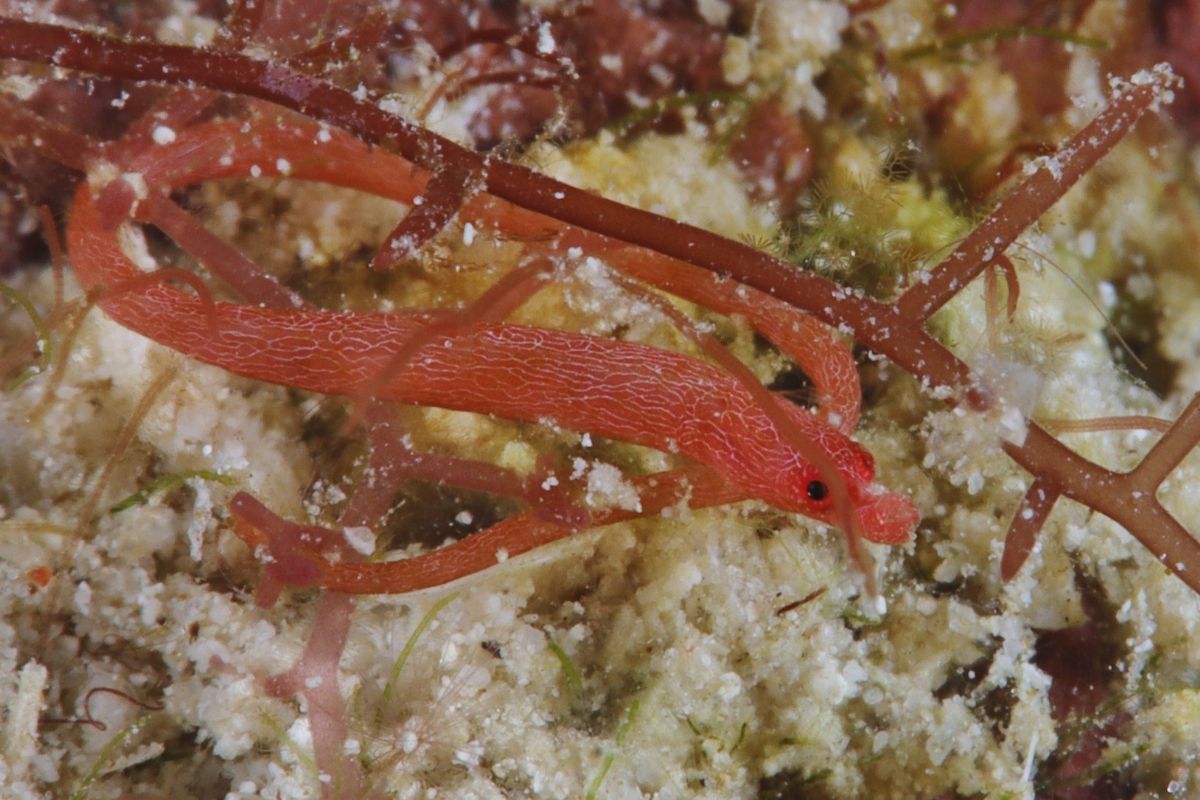
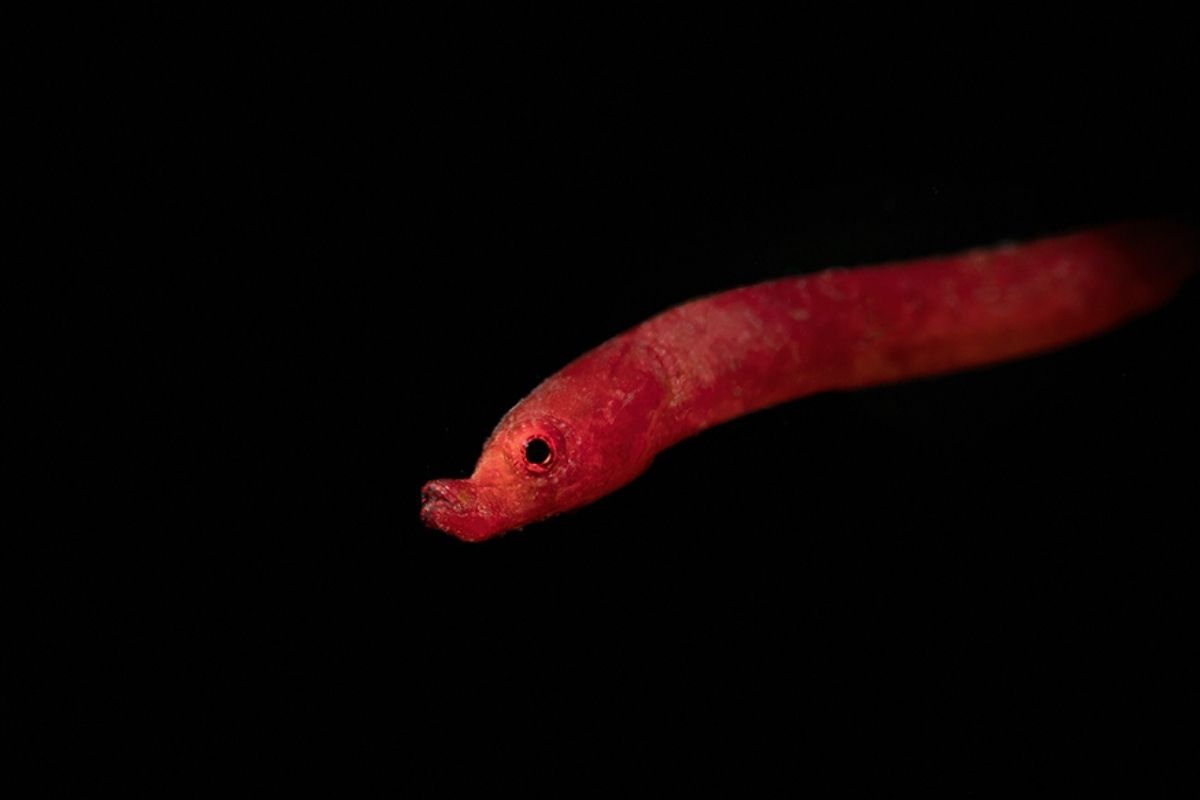
Festucalex rufus (Lynne’s Pipefish): The Elusive Red Ghost of Philippine Reefs
Festucalex rufus stands as one of the most enigmatic and sought-after pipefish species in the Indo-Pacific region, representing a pinnacle challenge for marine enthusiasts exploring Philippine waters. This extraordinarily rare member of the Syngnathidae family has earned legendary status among underwater photography specialists and scuba diving professionals due to its elusive nature and cryptic behavior.
A Species Shrouded in Mystery
The scientific name Festucalex rufus (Lynne’s Pipefish) reflects both its grass-like appearance and distinctive reddish coloration, though encounters with this species remain exceptionally uncommon. This remarkable pipefish embodies the hidden treasures that await discovery in Philippine marine ecosystems, making every potential sighting a career-defining moment for scuba diving guides and marine life documentarians.
Distinctive Features and Identification
Festucalex rufus exhibits an elongated, reed-like body structure that allows it to blend seamlessly among seagrass blades and coral fragments. The species demonstrates remarkable morphological adaptations, including specialized fin configurations and body proportions that enable it to mimic surrounding vegetation with extraordinary precision.
Following typical syngnathid reproductive patterns, Lynne’s Pipefish displays unique breeding behaviors where males assume responsibility for egg incubation. This fascinating biological strategy, combined with their secretive lifestyle, contributes to the species’ mysterious reputation among marine researchers.
Habitat and Distribution in Romblon Waters
Lynne’s Pipefish (Festucalex rufus) occupies specialized microhabitats within Romblon’s diverse marine environments, showing strong preferences for seagrass and mixed coral areas with dense algal coverage.
Underwater photography enthusiasts pursuing macro photography documentation will find Festucalex rufus represents the ultimate test of patience and observational skills. Their ghost-like ability to remain motionless among vegetation, combined with their rarity, creates photography opportunities that occur perhaps once in a lifetime for even the most dedicated scuba diving professionals. Their striking red/pinkish color make them an striking subject for underwater photography.
Significance for Marine Research and Conservation
The documentation of Festucalex rufus (Lynne’s Pipefish) provides critical insights into pipefish diversity and distribution patterns across Philippine archipelago waters. Each confirmed sighting contributes invaluable data to our understanding of rare species ecology and the importance of habitat preservation for specialized marine organisms.
Scuba diving enthusiasts and underwater photography artists visiting Romblon should consider any Festucalex rufus (Lynne’s Pipefish) encounter as participation in active marine research. These extraordinary sightings emphasize the need for continued protection of diverse marine habitats and the role of responsible diving practices in supporting scientific discovery.
Perfect Conditions for Underwater Photography
The protected waters surrounding Romblon provide optimal conditions for the specialized macro photography techniques required to document elusive species like Festucalex rufus. The region’s exceptional water clarity, healthy seagrass beds, and minimal current disturbance create the precise environmental conditions necessary for potential encounters.
Advanced macro photography practitioners and dedicated scuba diving naturalists will appreciate Romblon’s reputation as a destination where extraordinary discoveries like Festucalex rufus remain possible, alongside the countless other rare marine species that inhabit these exceptional Philippine reef ecosystems.
Related posts:
 Bulbonaricus brauni | Braun’s Pughead Pipefish
 Bulbonaricus brucei | Bruce’s Pughead Pipefish
 Halicampus nitidus | Glittering Pipefish
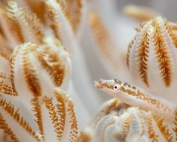 Siokunichthys herrei | Spotted Xenia-Pipefish
 Siokunichthys bentuviai | Barred Xenia-Pipefish
 Siokunichthys nigrolineatus | Mushroom-Coral Pipefish
 Kyonemichthys rumengani | Lembeh Seadragon
 Hippocampus denise | Denise’s Pygmy Seahorse
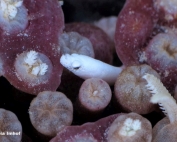 Apterygocampus epinnulatus | Briarium Pipefish
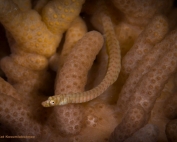 Siokunichthys breviceps | Soft Coral Pipefish
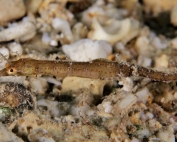 Acentronura breviperula | Shortpouch Pygmy Pipehorse
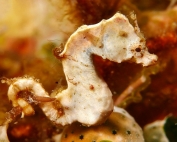 Hippocampus pontohi | Pontohi Pygmy Seahorse