Location: Romblon Island
Cover Photo: Hakan Basar
Scientific Name: Scorpaenidae Risso, 1827
Type: Romblon Fish
Group: Frogfish


Scorpionfish Family: Masters of Marine Biodiversity in Philippine Waters
The Philippines stands as one of the world’s most remarkable hotspots for scorpionfish diversity, hosting an extraordinary array of species from the family Scorpaenidae that showcase the incredible biodiversity of these tropical marine ecosystems. From the crystal-clear waters surrounding Romblon to the vast coral triangle region, these fascinating predators represent some of the most evolutionarily advanced and ecologically important fish species in Indo-Pacific waters.
Unparalleled Diversity Across Philippine Archipelago
The scorpionfish family demonstrates remarkable species richness throughout Philippine waters, with over 60 documented species ranging from diminutive leaf scorpionfish to massive stonefish. This extraordinary diversity reflects the complex marine ecosystems that characterize the region, where varying depth gradients, substrate types, and oceanographic conditions create countless ecological niches for specialized predators.
Major Scorpionfish Genera Found in Philippine Waters
The Philippine archipelago hosts an impressive array of scorpionfish genera, each representing unique evolutionary adaptations and ecological specializations:
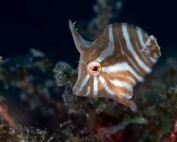
• Ablabys – Specialized bottom-dwelling species with flattened profiles
• Dendrochirus – Dwarf lionfish species with compact, ornate appearances
• Parascorpaena – Small reef species with distinctive color patterns
• Pteroidichthys – Featuring the spectacular Ambon scorpionfish with wing-like pectoral fins
• Pterois – The iconic lionfish with their venomous, flowing fins
• Rhinopias – Rare and highly sought-after species with elaborate appendages
• Scorpaena – Traditional scorpionfish with robust bodies and cryptic coloration
• Scorpaenodes – Small, cryptic species often found in coral crevices
• Scorpaenopsis – Including various reef scorpionfish species with elaborate camouflage patterns
• Sebastapistes – Leaf scorpionfish with extraordinary mimicry abilities
• Synanceia – The notorious stonefish genus, masters of deadly camouflage
• Taenianotus – The unique leaf scorpionfish with compressed, leaf-like bodies
Romblon’s marine areas serve as crucial sanctuaries for numerous scorpionfish species, supporting populations that contribute significantly to regional marine biodiversity. The province’s strategic location within the coral triangle ensures optimal conditions for both resident species and migratory populations, making it an essential stronghold for scorpionfish conservation.
Ecological Significance and Marine Ecosystem Health
Scorpionfish species function as apex predators within their respective habitat zones, playing critical roles in maintaining healthy marine ecosystem balance. Their presence indicates robust coral reef systems, as these specialized hunters require diverse prey communities and complex reef structures to thrive successfully.
The biodiversity of Romblon’s scorpionfish populations serves as an important indicator of overall marine ecosystem health. These species occupy various trophic levels, from small cryptic species controlling invertebrate populations to larger predators regulating fish community dynamics, creating intricate food web relationships essential for ecosystem stability.
Adaptations and Habitat Specialization
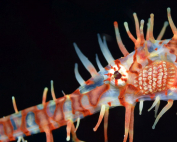
Philippine scorpionfish demonstrate remarkable evolutionary adaptations that allow them to exploit diverse marine environments. Species like the ornate ghost pipefish utilize perfect camouflage among soft corals, while stonefish blend seamlessly with rocky substrates. These adaptations showcase the incredible evolutionary pressure that has shaped marine biodiversity in Philippine waters.
The importance of Romblon’s varied marine habitats becomes evident when examining scorpionfish distribution patterns. From shallow coral gardens hosting colorful leaf scorpionfish to deeper rocky slopes supporting massive stonefish, each habitat type contributes unique species assemblages that enhance regional biodiversity.
Conservation Importance and Threats
The diversity of scorpionfish species in Philippine waters faces mounting pressures from climate change, habitat degradation, and overfishing. Romblon’s marine protected areas play increasingly vital roles in preserving critical spawning grounds and nursery habitats essential for maintaining scorpionfish populations.
Protecting scorpionfish biodiversity requires comprehensive marine ecosystem conservation approaches that address habitat connectivity, water quality, and sustainable fishing practices. The importance of Romblon’s marine sanctuaries extends beyond local conservation, contributing to regional biodiversity preservation across the broader coral triangle.
Research and Discovery Opportunities
The scorpionfish family continues to yield new scientific discoveries, with several species recently described from Philippine waters. Ongoing research in areas like Romblon reveals previously unknown species and ecological relationships, highlighting the importance of continued marine biodiversity studies.
Advanced underwater photography and scuba diving research expeditions in Romblon provide unprecedented opportunities to document scorpionfish behavior, distribution patterns, and species interactions. These studies contribute valuable data for understanding marine ecosystem dynamics and informing conservation strategies.
Sustainable Tourism and Education
Responsible scuba diving tourism focused on scorpionfish observation provides sustainable economic opportunities while promoting marine conservation awareness. Romblon’s scorpionfish diversity attracts underwater photography enthusiasts and marine biologists, creating educational platforms that highlight the importance of marine ecosystem protection.
The remarkable diversity of scorpionfish species in Philippine waters, particularly in biodiversity hotspots like Romblon, represents both a precious natural heritage and a crucial component of marine ecosystem health. Protecting these extraordinary predators ensures the continued functioning of complex coral reef systems that support countless other marine species and provide essential ecosystem services for local communities.